
Why Technology Partnerships Are Essential for Digital Art Installations. Ensuring Seamless Experiences for Artists, Galleries and Collectors.
Digital Art Is Expanding. Technology Must Keep Pace.
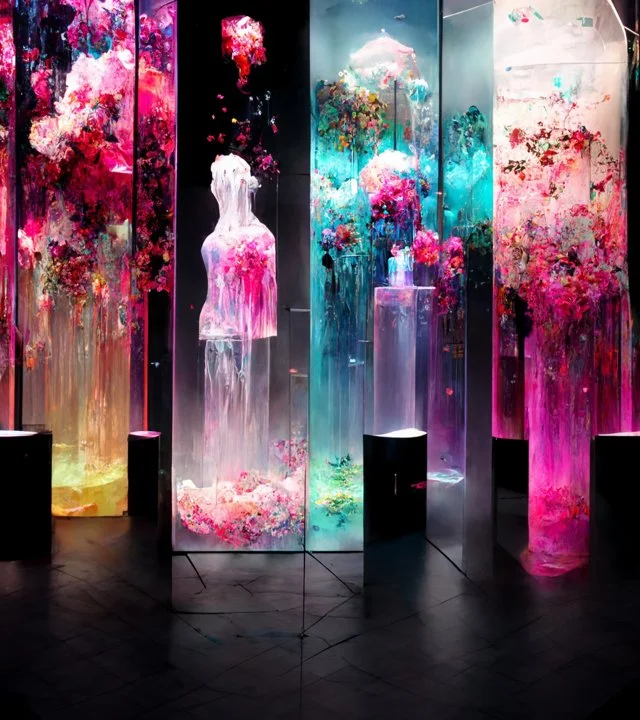
Digital art is rapidly reshaping the contemporary art landscape. From immersive gallery installations to private digital collections in luxury residences, artists are increasingly working with moving image, generative media and interactive formats.
As a result, the technology that supports these artworks has become just as critical as the creative work itself.
Display systems, media storage, control platforms and audio integration all influence how digital art is experienced. When these systems are poorly designed or unreliable, they can distract from the artwork and disrupt the viewer's experience.
For artists, galleries and collectors, the solution is increasingly clear: digital art requires the same level of technical design and infrastructure as any other professional exhibition environment.
This is where technology partnerships play an essential role.
The Challenge of a Rapidly Evolving Technology Landscape
The technology used to display and manage digital artworks is evolving quickly. New display formats, higher-resolution screens, immersive projection systems and evolving media standards are constantly entering the market.
While these innovations create exciting creative opportunities, they also introduce uncertainty.
Collectors and curators often face questions such as:
· Will this display technology remain supported in five years?
· How can digital artworks be stored securely and reliably?
· How do we ensure artworks are presented exactly as the artist intended?
· What happens if systems fail during an exhibition or installation?
Without the right technical framework, digital art installations can become unnecessarily complex to manage. Compatibility issues, unreliable control systems or poorly configured media storage can undermine both the artwork and the overall experience.
A specialist technology partner removes these risks by designing systems that prioritise reliability, longevity and simplicity.
Bridging the Gap Between Art and Technology
A technology partner acts as the bridge between artistic vision and technical execution.
By understanding both the creative intent of the artwork and the practical requirements of installation environments, technology specialists can design systems that ensure digital artworks are displayed exactly as intended.
This includes:
· Selecting the appropriate display technologies.
· Designing intuitive control systems.
· Implementing secure media storage.
· Integrating sound and visual systems seamlessly.
· Ensuring installations remain reliable and easy to manage over time.
The goal is simple: technology should work quietly and invisibly in the background, allowing the artwork to remain the focus.
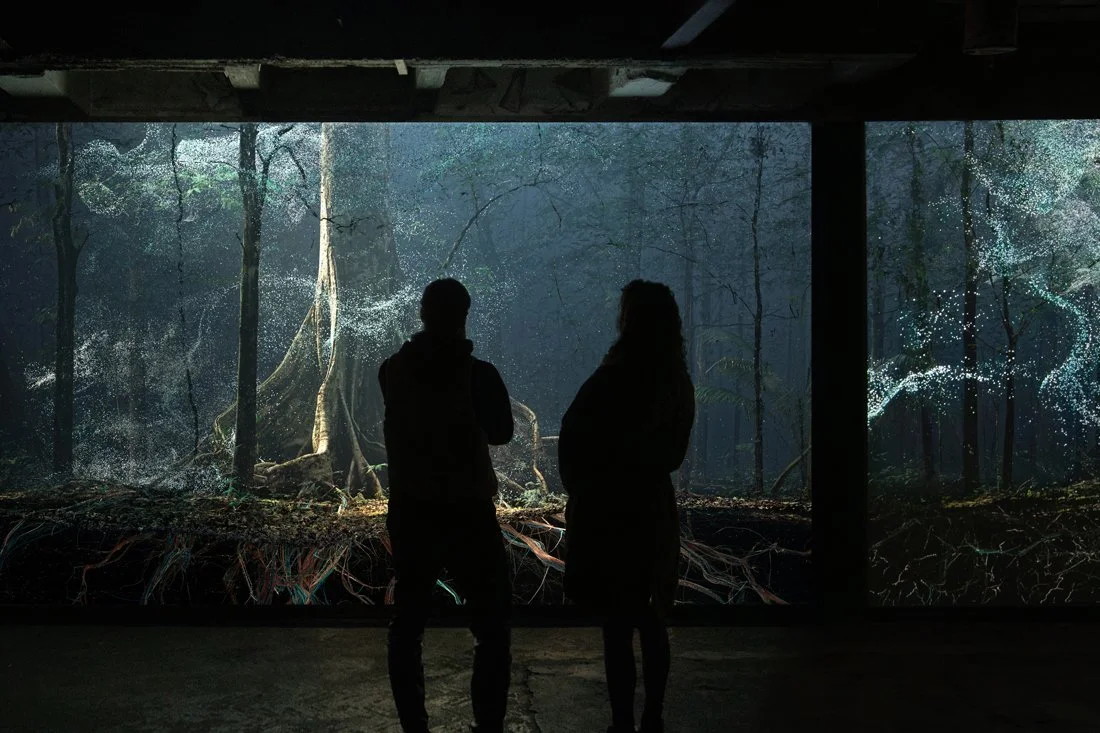
Image Credit: Marshmallow Laser Feast, Breathing with the Forest, 2024, photo by Sandra Ciampone
The Key Elements of a Successful Digital Art Installation
Delivering a reliable digital art experience requires careful consideration across several areas:
Secure Media Storage
Digital artworks often exist as high-value digital assets. Robust media storage systems protect files from loss, corruption or unauthorised access while ensuring they can be accessed quickly and reliably when required.
Reliable Control Systems
Managing digital artworks should be simple for curators and collectors. Well-designed control systems allow artworks to be switched, scheduled and managed effortlessly, removing the need for technical intervention.
Optimised Display Technologies
The choice of display technology can dramatically affect how a digital artwork is experienced. Selecting the right screens, projection systems or immersive environments ensures that colour accuracy, brightness and motion are presented exactly as the artist intended.
Long-Term System Support
Unlike traditional artworks, digital pieces rely on an ecosystem of hardware and software. Ongoing maintenance, monitoring and upgrades ensure these systems remain stable and future-ready.
Sound: The Natural Companion to Digital Art
While some digital artworks include sound as part of the composition, many visual pieces do not.
Introducing a carefully designed audio layer can significantly deepen the immersive experience. Working with specialist sound designers, we often explore how subtle soundscapes can complement visual artworks and enhance emotional engagement.
This introduces additional design considerations, including discreet speaker placement, controlled acoustic environments and seamless synchronisation between sound and image.
For many artists, this dimension of their work remains unexplored. Integrating sound into the installation process can unlock a powerful additional layer of artistic expression.
Technology Should Disappear Behind the Art
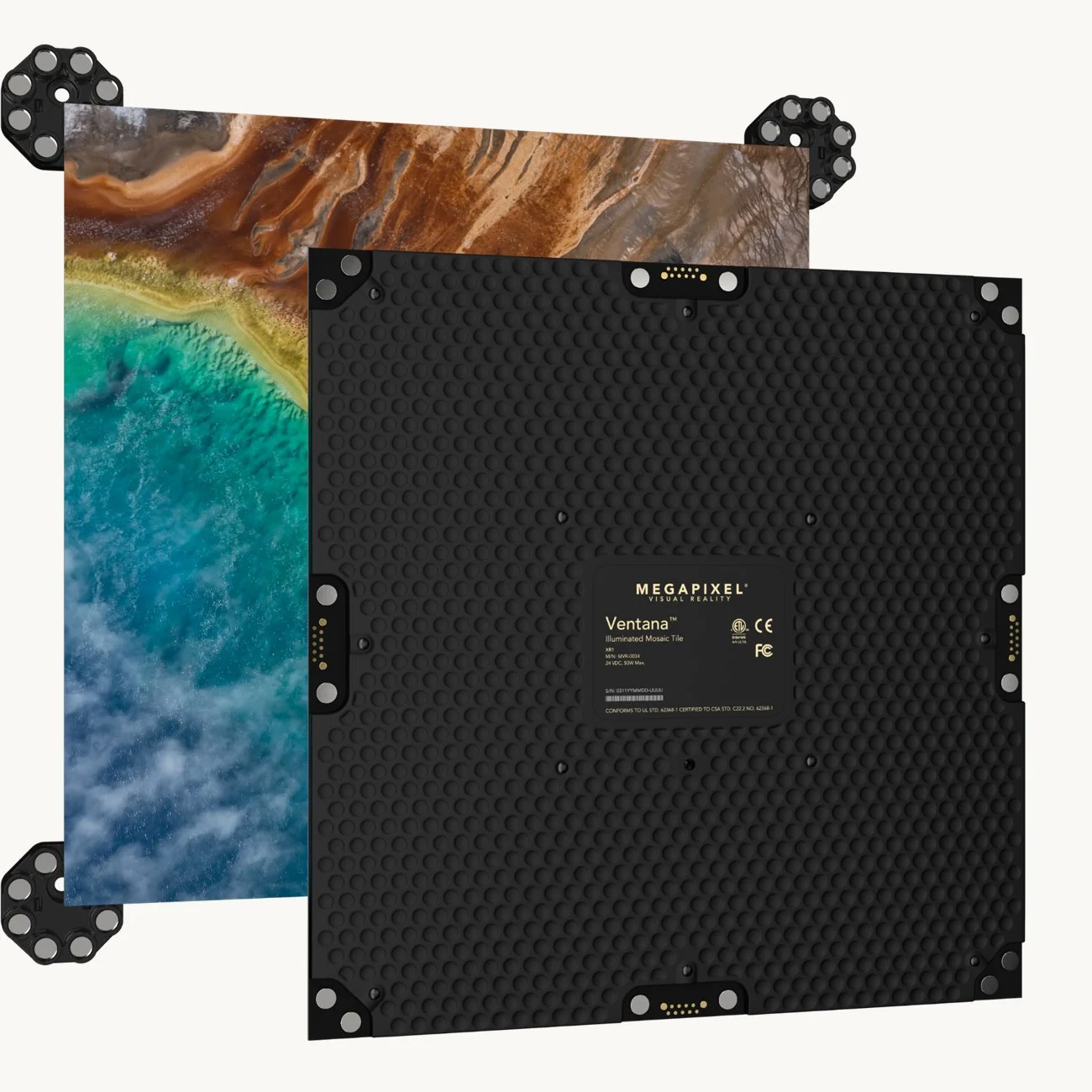
At its best, technology becomes invisible.
When systems are thoughtfully designed and properly integrated, artists, curators, and collectors do not need to think about the technology at all. The artwork simply performs as intended, every time.
This reliability allows digital art to be experienced without distraction, whether in a gallery, an exhibition, or a private collection.
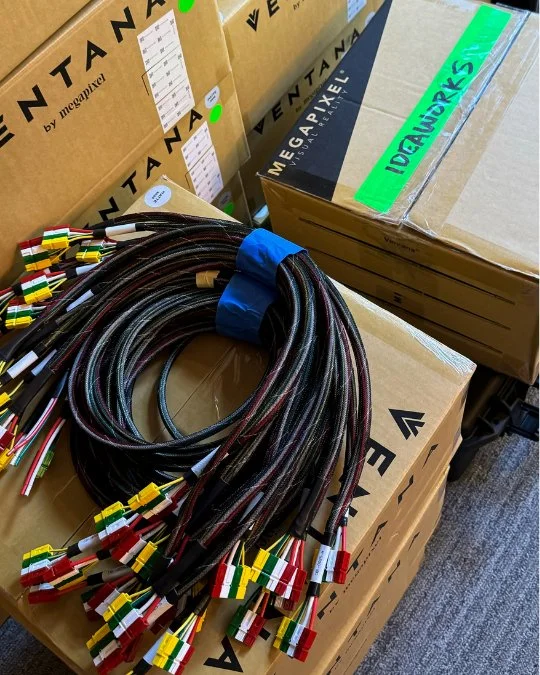
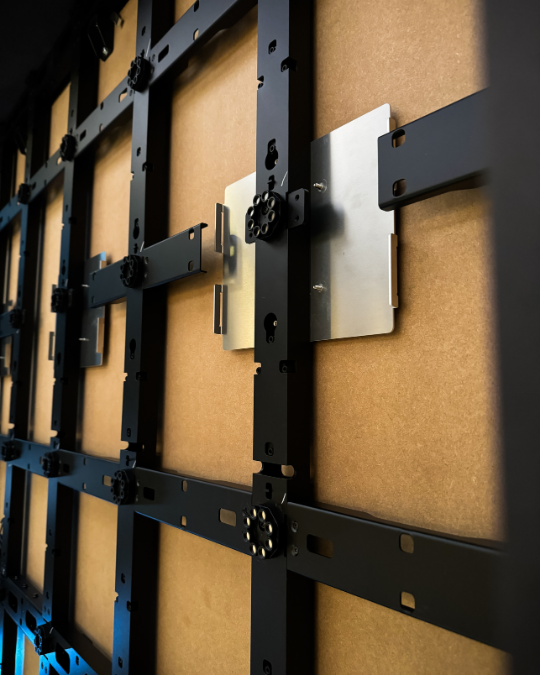
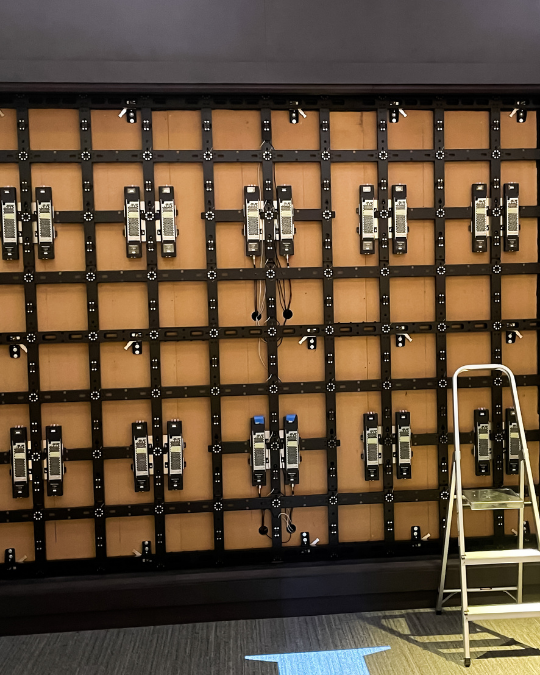
Image Credit: Ventana
The Future of Digital Art Requires Strong Technology Foundations
As digital art continues to grow in prominence, the collaboration between creative and technical disciplines will become increasingly important.
Artists are pushing the boundaries of what is possible with digital media. Ensuring these works can be reliably displayed, managed, and preserved requires a robust technological framework.
When the right technology infrastructure is in place, digital art installations become effortless to manage and enduring in their impact.
Planning a Digital Art Installation?
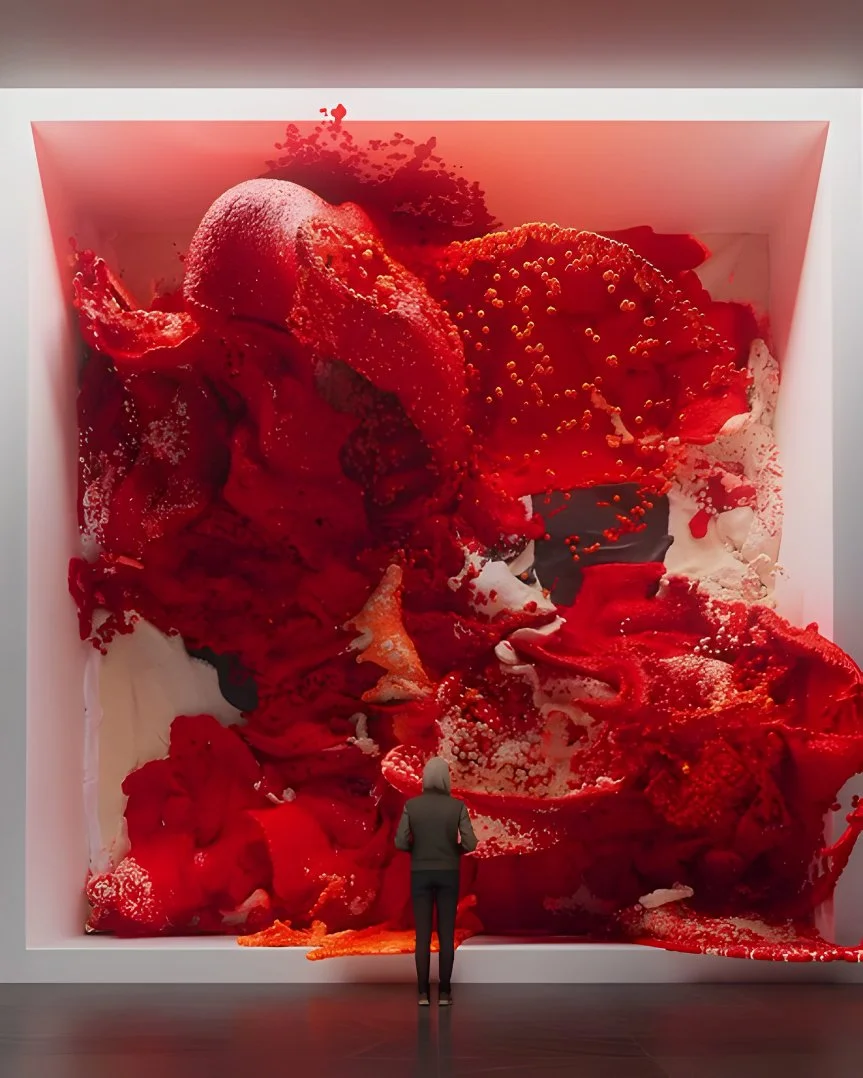
Ideaworks designs and delivers discreet, reliable technology systems for galleries, exhibitions and private collections. Our team works closely with artists, curators and collectors to ensure digital artworks are displayed exactly as intended while remaining simple to manage and future-ready.
If you are planning a digital art installation or exploring how to enhance an existing collection, speak with the Ideaworks team to discuss how the right technology infrastructure can support your vision.
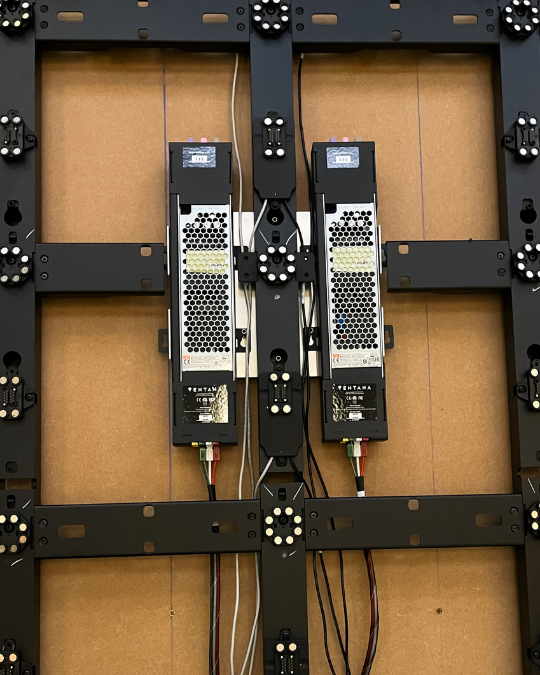
Image Credit: Ventana