
Delivering Successful Residential Projects Through Early Collaboration

A joint perspective from Nick Walton, Director at Walton Wagner, and Chris Jones, Managing Director at Ideaworks.
Exceptional residential projects are defined not only by design ambition but by the strength of collaboration behind them. As technology becomes fundamental to how modern homes operate, early alignment between the project manager and the technology integrator is critical to protecting the client’s vision, programme, and long-term experience.
When technology is integrated into the core design process rather than introduced later, it becomes part of the home's fabric. This requires a clear brief, shared responsibility, and disciplined coordination among trusted partners from the outset.
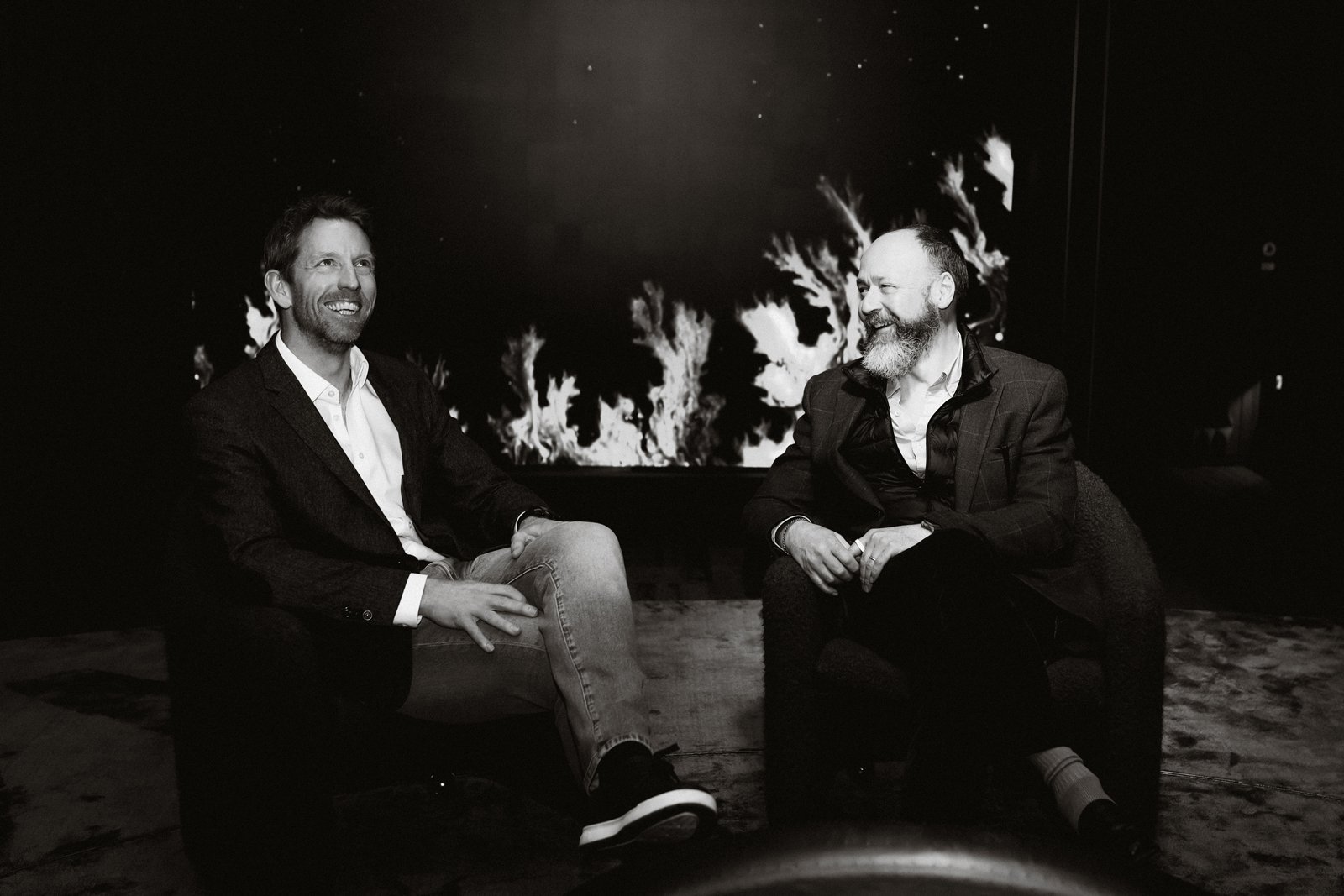
In this joint Q&A, Nick Walton, Director at Walton Wagner, and Chris Jones, Managing Director at Ideaworks, share their perspectives on delivering complex, high-value residential projects. Drawing on decades of experience, they explore the principles, processes, and collaborative behaviours that drive exceptional client outcomes.
1. From your perspective, what defines a successful residential project at the top end of the market?
Nick:
Success at the top end isn’t just about great design, it’s about clarity. A clear brief, robust information, and early cost and programme certainty set everything up properly. The best projects are the ones where collaboration starts from day one, egos stay out of the room, and everyone is pulling in the same direction.
Chris:
For me, success is when the technology becomes invisible, and the client simply enjoys a beautifully functioning home (or yacht). When the brief is clear and coordination is strong, we can design systems that are intuitive from day one, not engineered compromises. At this level, a home should feel effortless, and that only happens when planning, communication and trust are established early.
2. Why is early collaboration between a project manager and a technology integrator so important?
Nick:
So many long-term outcomes are shaped by early decisions. Technology isn’t just about TVs and audio systems anymore; it’s fundamental to how a home operates, and often essential for sign-off as ready for occupation. Bringing the integrator in early ensures the infrastructure, coordination and budget are right from the start.
Chris:
Early involvement protects the client from unnecessary spending and programme risk. Many of the systems we design rely on early decisions around power, risers, ventilation, plant space and network architecture. If those aren’t planned at the beginning, compromises are guaranteed later. Early collaboration saves time, reduces costs, and reduces frustration for everyone.
3. How early should a technology integrator be brought into a residential project, and why?
Nick:
Ideally, from Stage 3, but there’s real value in bringing them in even earlier, when the space planning and client brief are being shaped. Early exposure helps clients understand what technology can do for them and how it will shape the way they live in their home.
Chris:
Being involved early means clients make informed decisions rather than reactive ones. When we can show them real examples at the Ideaworks Experience Centre, everything becomes clearer, from lighting control to audio immersion to full home automation. Early conversations also preserve architectural intent, because technology can be integrated seamlessly rather than forced in later.
4. What information is most valuable to share at the concept or pre‑construction stage?
Nick:
A really clear understanding of the client and their brief, not just what they want now, but how they expect to live in the space over time. Lessons learned from past projects, including aftercare and long‑term performance, are incredibly valuable to share.
Chris:
Lifestyle is everything. The way the client lives absolutely shapes the technology approach. Early discussions also help us establish performance expectations: Wi‑Fi coverage, audio quality, shading requirements, security levels and the client’s tolerance (or intolerance!) for complexity.
5. In your experience, what are the most common causes of programme friction when technology is involved, and how can they be avoided?
Nick:
Most programme friction around technology comes from late information, last‑minute changes, or a lack of experience during the design and pre-construction stages. If technology isn’t considered early enough, it leads to redesigns, clashes on site, and pressure on the programme. The solution is simple: get the right people involved early, lock in key decisions sooner and treat technology as core to the design, not an add‑on.
Chris:
Challenges with the programme normally come at two key points in the project. Either early on where, as Nick says, technology hasn’t been considered early enough and there is a scrabble for space, cable routes and ventilation. All easily avoided if the right team is brought together at the start.
The second challenge is when it comes to commissioning and handover. It’s the point in the project where everyone feels the squeeze. But we all know the elements that make this tricky, so insisting on pre-testing key interfaces earlier always iron out the bugs and makes this challenging period smoother for everyone.
6. How do you maintain clarity for the client when technology decisions can be complex or detailed?
Nick:
Technology can get complicated, but clarity comes from really understanding the client first. Every client is different, so establishing a clear brief and Project Plan early helps guide the conversation. When you tailor the detail to what actually matters to them, decisions become simpler, more confident and less overwhelming.
Chris:
Our job is to make the complex simple. We don’t talk about technical specifications and rarely talk about specific products. We describe how a space will be used, how it will adapt to real-world scenarios, such as entertaining or how it will feel in the morning during breakfast. More than that, we avoid technical documentation in favour of demonstrating (at the Experience Centre) what the options are and how the technology will work for the client.
7. Residential clients expect a seamless experience from day one. How do you safeguard the quality of the final system?
Nick:
Fully build the system off site and test it. Do not rush to install the racks and equipment because dust and damage will occur to what will become the brains of the house. Full testing and commissioning of the technology and the parts that feed into the full automation of the home is key. All members of the delivery team need to be engaged and competent - the system is only as strong as its weakest link. The house electrical and mechanical systems need to perform and stand up on their own and then integrated into the technology part and then still perform.
Chris:
What Nick said, it’s almost like we’ve worked together before! Off-site testing is central to our approach. We only install systems that have passed rigorous checks in a clean, controlled environment. On site, we re‑test everything after installation to ensure it works perfectly. Pre-testing key interfaces, as I mentioned before, helps ensure that the key house systems work together with minimal last-minute optimisation.
8. How do your roles continue after practical completion?
Nick:
Formally, our role ends at practical completion, but in reality, we remain the client’s first port of call. We ensure the handover runs smoothly, coordinate trades during the FF&E period, and support the client as they settle into the home. The first three months often involve user queries, and we rely on a strong aftercare team to respond quickly.
Chris:
For us, the project truly begins once the client starts living with the system. We are still looking after clients’ homes from over thirty years ago! Our aftercare team provides training, proactive maintenance, remote monitoring and continuous support. Most early issues stem from clients getting used to the system, and guiding them through that process is essential. Long-term relationships matter; we’re here to make sure the home performs effortlessly for years to come.
Conclusion: Delivering Success Through Collaboration
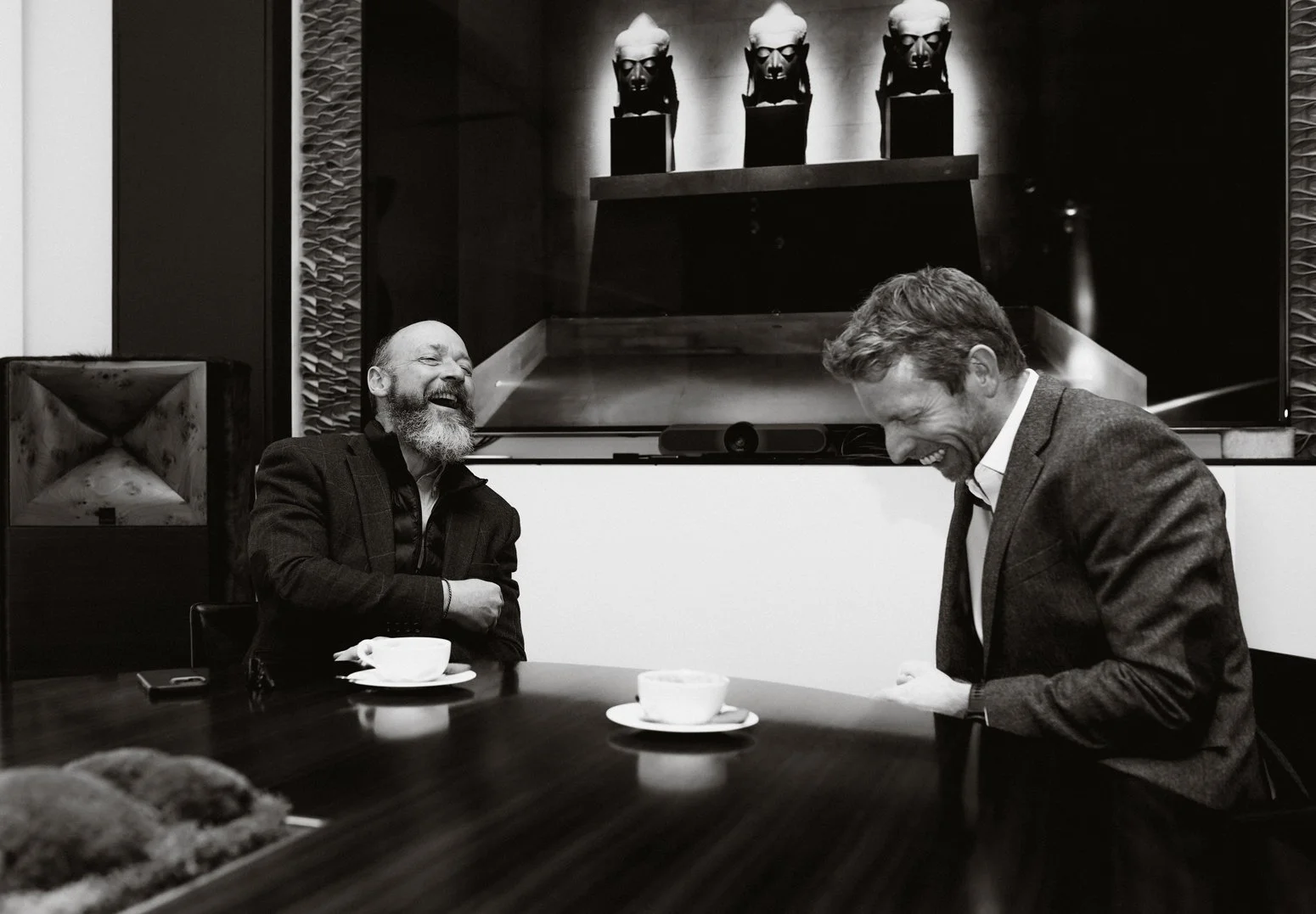
Exceptional outcomes rely on informed decisions made at the right time, supported by trusted partners working in alignment. When project managers and technology integrators collaborate early and maintain clear coordination throughout, the result is a home that functions as intended from day one.
For Walton Wagner and Ideaworks, this reflects a shared commitment to long-term quality and accountability. This shared approach ensures clients benefit not only from a smooth delivery, but from technology that continues to support their lifestyle reliably long after completion.