
Designing for Experience, Not Excess
Luxury, Meaning, and the Creative Use of Technology:
A conversation with Arthur Mamou-Mani
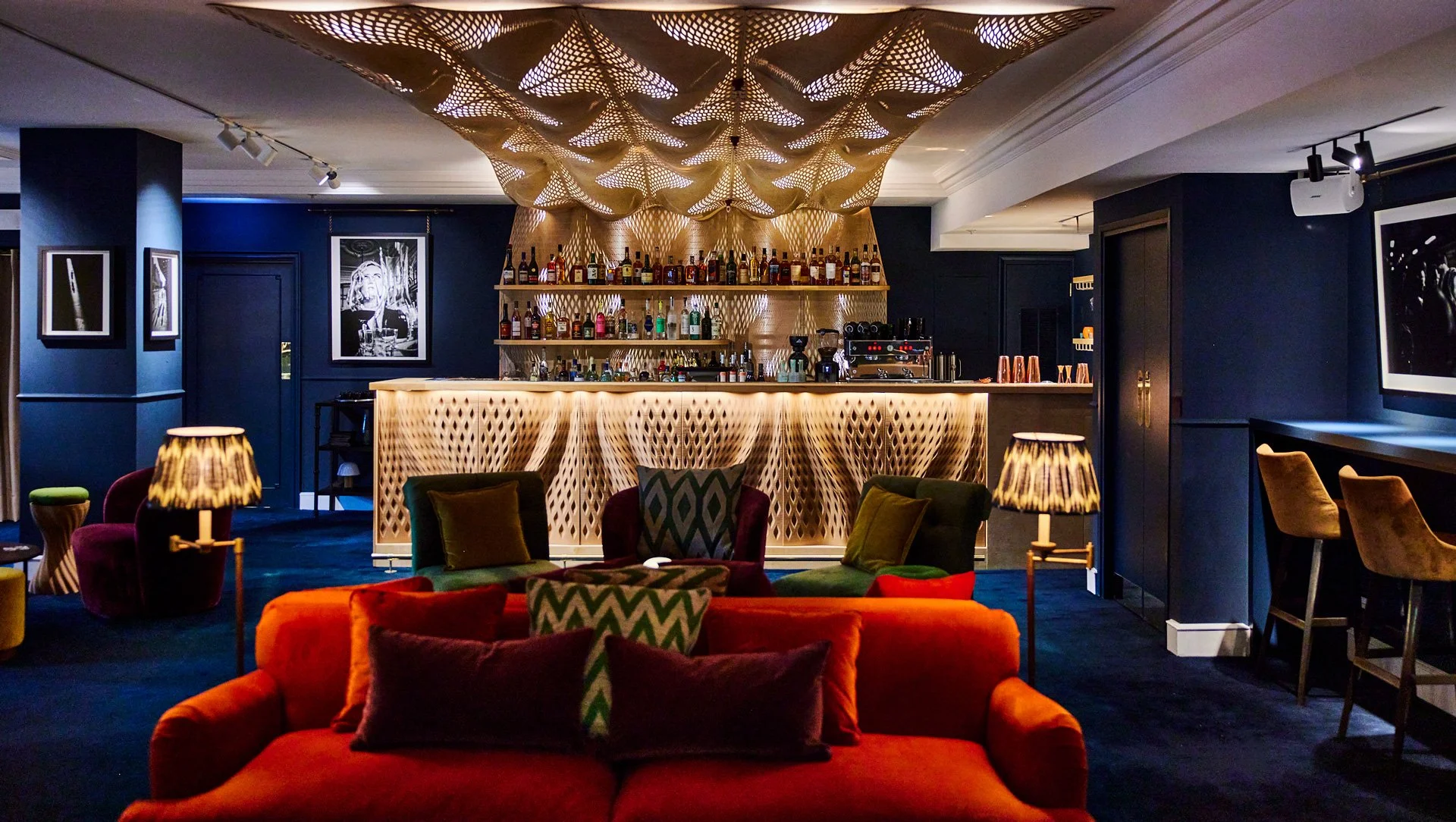
What does luxury feel like when it moves beyond materials and finishes? For Arthur Mamou-Mani, luxury begins with care: care in the process, care in the details, and care for how a space is experienced over time.
In this conversation, Arthur shares how parametric design, digital fabrication, and material research become tools for creating atmosphere, emotion, and meaning. Mamou-Mani Architects and Fab.Pub are the latest residents in the window of our Ideaworks London Experience Centre, which offers a tangible expression of these ideas.
In the discussion that follows, Arthur reflects on how experience, technology, and craft intersect in his work, and why the most advanced design processes should ultimately feel human, intuitive, and generous.
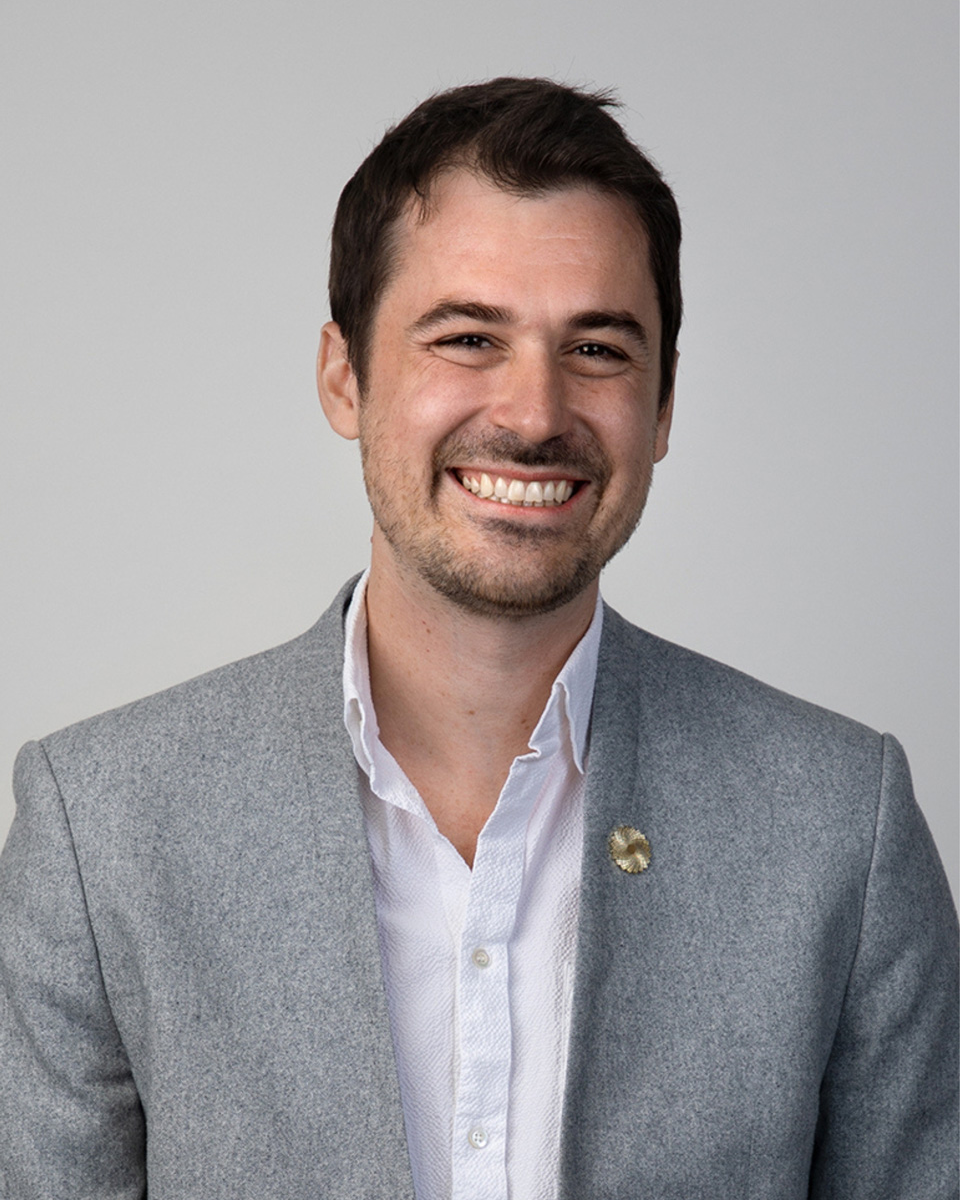
Image: Arthur Mamou-Mani
Luxury is increasingly about experience rather than excess. How does that shift influence the way you approach the creative process?
For us, luxury isn’t really about materials; it’s about a feeling. It’s about making space for special moments, not just material satisfaction.
Having time for your family is a luxury. Being able to share a moment that feels outside of the necessary and practical, something with a higher qualitative presence, that’s luxury.
So our design process starts there. We look at nature, craft, and mathematics, not as aesthetics for their own sake, but as tools to create that feeling.
The simplest definition is probably this: Luxury is when you can tell someone cares. You feel it in the details, the attention, the generosity of the space. It’s not gold or cliché. It’s care made visible.
Your work often begins with digital tools and computational design. How do these technologies help you create spaces that feel emotionally rich rather than overly technical?
It’s a great question, because we are very technical. We deal with robots, parametric software, algorithmic design, AI-driven workflows, and real material constraints.
But that only becomes meaningful when conscious human intention is guiding it. Otherwise, it’s just noise.
For us, technology is not the author. It’s an instrument. Design’s role is to compose that instrument into something warm, deeply human, and ideally planet-friendly.
We think in systems rather than isolated forms. It’s a constant, circular process of learning, iterating, and refining, trying to create environments people can relate to because they can feel the human choices embedded within them.
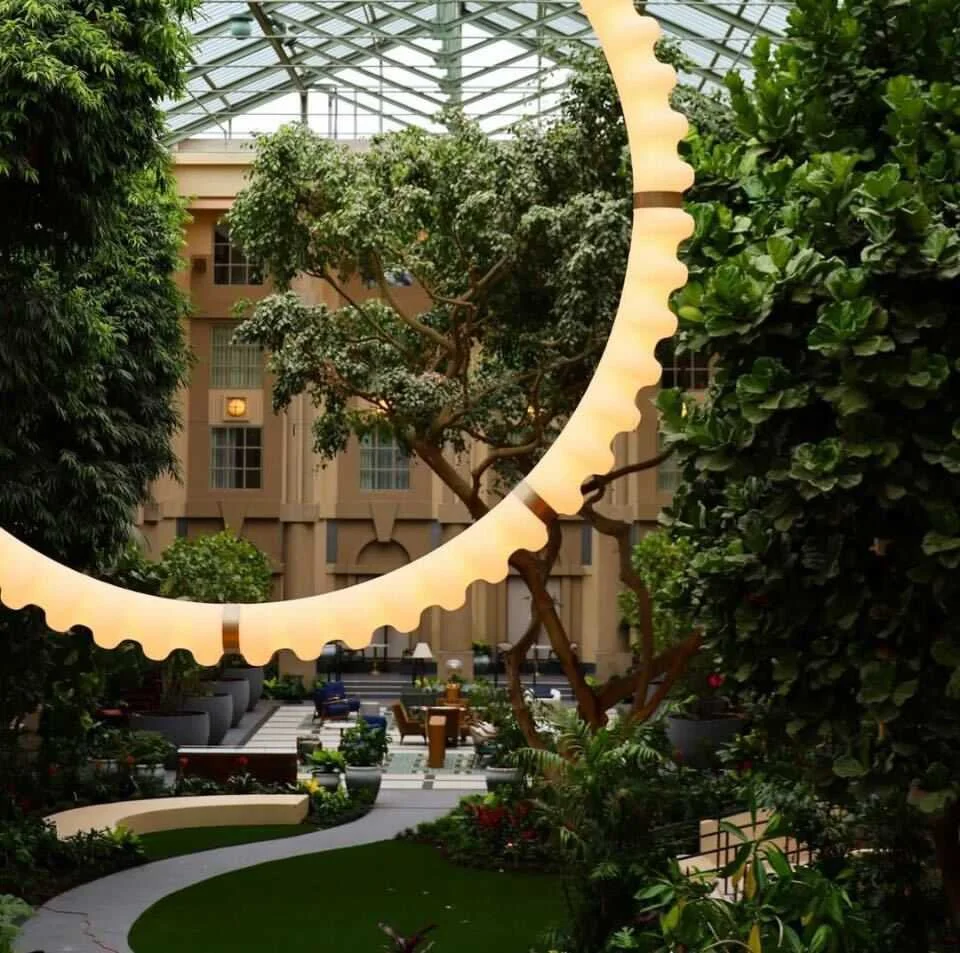
We think in systems rather than isolated forms. It’s a constant, circular process of learning, iterating, and refining, trying to create environments people can relate to because they can feel the human choices embedded within them.
Image: Hyatt Regency Greenwich Hotel in New York
How do you use technology to explore form, light, and materiality, rather than as an end in itself?
We use technology like a sketchbook that can test reality.
It helps us explore how light moves through space, how texture changes reflections, how patterns soften surfaces, and how structure and ornament can become one and the same. It also allows us to understand how materials behave when you actually try to make them.
Technology is always in the service of the atmosphere. If it starts becoming the point, we simplify. The goal is never complexity for its own sake, but clarity, grounding, and a sense of life.
Do you think luxury clients are becoming more open to experimentation and non-traditional design methods? How do you help them trust those processes?
Yes, definitely. Many of the most interesting luxury clients today are open to experimentation, rituals, experiential wellness, and materials with imperfections rather than flawless finishes.
There’s more interest in meaning, connection, and community, and less in ego-driven or status-based luxury.
Trust usually comes from relationships. Over time, it becomes more like a friendship or shared culture. You see this in communities that prioritise participation and shared values, Burning Man is a well-known example, where it’s not about spectatorship, but collective creation guided by shared principles. That mindset has influenced how many clients now think about what luxury can be.
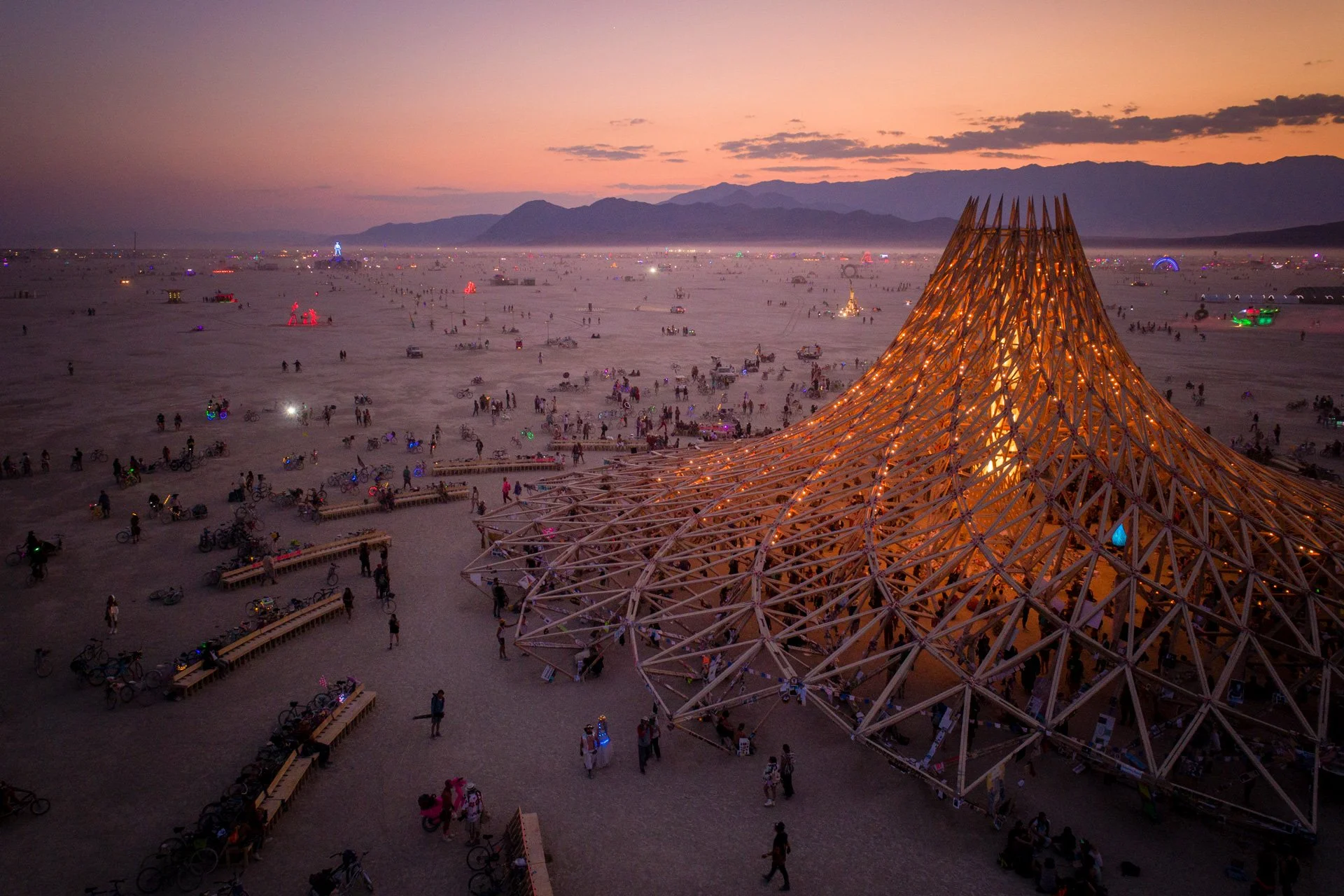
Temple Galaxia - Burning Man
Many of your projects involve systems, patterns, and rules. How do you balance structure and freedom in the creative process?
We see it as yin and yang. There’s no freedom without constraints, because constraints allow focus and, ultimately, liberation. And constraints without freedom are just rigidity.
With parametric tools, you literally define parameters: what matters, what stays constant, and what can vary. From there, you explore an entire landscape of possibilities.
It’s like painting. Even someone like Jackson Pollock relied on materials, gravity, and physical rules. Creativity doesn’t exist in a vacuum. It’s not freedom versus system; it’s a systematic approach to freedom.
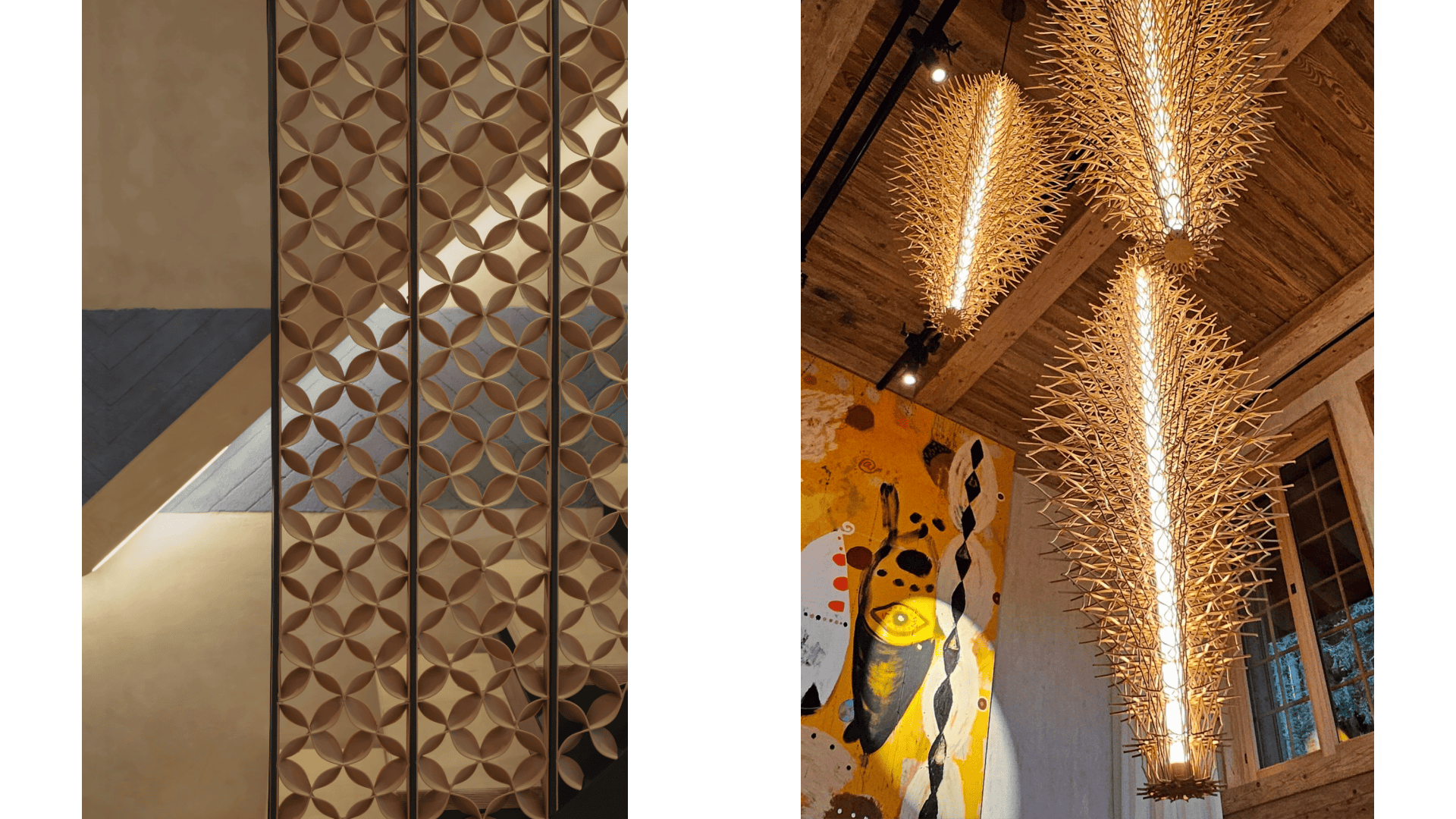
Residential Projects
How do you design for delight and surprise while keeping spaces calm, grounded, and timeless?
For us, it starts with listening.
Listening to the site, the material, the client, and the parameters. Calm comes from settling into the right option rather than forcing something.
When the fundamentals are right, delight becomes natural. A reveal, a shift in texture, a particular light condition. The space remains grounded, and the surprise feels like a gift rather than a gimmick.
What advice would you give to clients who want ambitious, future-facing design but worry about complexity or losing authorship over their home?
Future-facing design simply means being open-minded about new tools. It doesn’t mean the home needs to feel complex.
We live that tension ourselves. In our own home, we like parametric aesthetics, while my wife loves cottage-style spaces. We ended up with what we’d call an eco-parametric blend: mathematically driven geometry combined with warmth, reclaimed materials, and an urban oasis feeling.
Over time, you develop a shared language with clients. We often help define values, principles, and even branding, because once values are aligned, design decisions become obvious.
The relationship becomes less “client and architect” and more “co-creators of a space.” That’s where ambition stays human, and authorship becomes shared rather than lost.
Join Us for an Evening with Arthur Mamou-Mani: Material Innovation and Parametric Design
This design-focused evening brings architect Arthur Mamou-Mani to the Ideaworks London Experience Centre for an exploration of parametric design, digital fabrication, and material innovation.
As the current resident of the Ideaworks London Experience Centre window display, Mamou-Mani will share how parametric thinking and material research inform his studio’s work, offering insight into the creative and technical processes behind a range of architectural and installation projects. The evening will conclude with an open discussion and informal networking.
Event Details
Date: Thursday, 29th January
Time: 6:00 pm – 9:00 pm
Venue: Ideaworks London Experience Centre
206 Great Portland Street, London, W1W 5QJ