
From Opportunity to Outcome: What Thoughtful Residential Upgrades Look Like in Practice
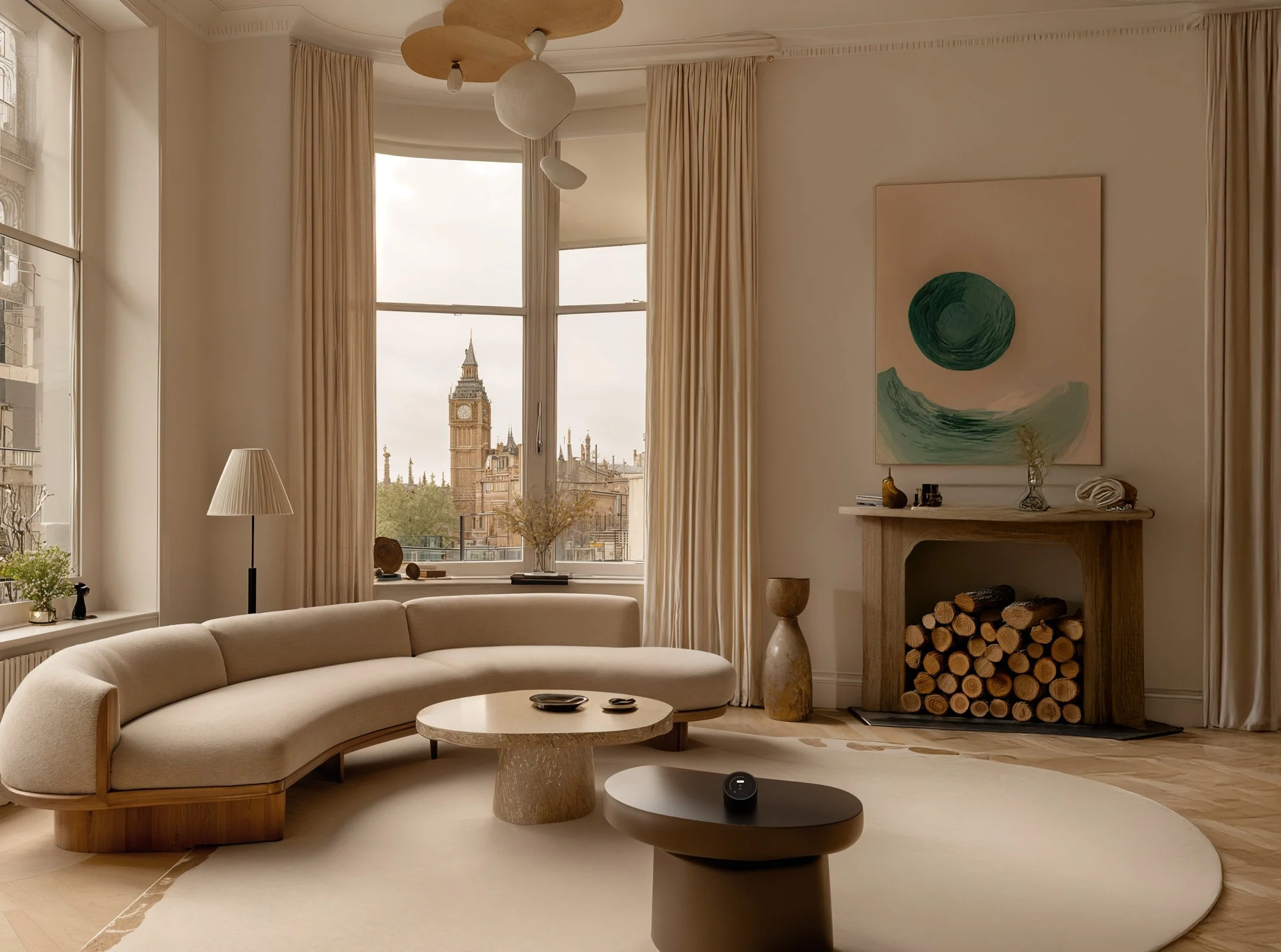
Table-top Turn 2, multi-function environment control by Tyba.
While the benefits of residential upgrades are widely understood, their success depends almost entirely on how they are delivered. In luxury homes, the challenge is rarely access to technology but integration: introducing new capabilities without undermining the home's experience.
Thoughtful upgrades begin with understanding the existing environment. Many properties already have substantial infrastructure in place, often installed years earlier to a high standard. Rather than replacing this outright, experienced teams look for opportunities to reuse cabling, enclosures, and layouts, thereby extending the system's life while improving its performance.
Upgrading Connectivity Without Rewiring the Home
One of the most common upgrade scenarios involves network performance. As households add more connected devices and rely increasingly on wireless connectivity, older Wi-Fi systems can struggle to keep up.
In practice, upgrading to modern Wi-Fi standards such as Wi-Fi 6 or Wi-Fi 7 often involves replacing core network hardware and access points while retaining much of the existing structured cabling. When carefully designed, this delivers a significant improvement in speed, coverage, and reliability without the need for invasive building works.
In larger or remote properties, satellite connectivity may be introduced as a backup or secondary connection, ensuring resilience without altering how the home operates day to day.
Rethinking Control, Not Relearning It
Control systems are often one of the most impactful areas to upgrade. While older platforms may still function reliably, they can limit flexibility and require specialist involvement for even minor changes.
Modern control platforms are designed to return day-to-day control to homeowners and house managers. Everyday adjustments, such as room settings, schedules, preferences, and user access, can be made directly without involving an integrator for routine revisions.
Multi-home control lets you manage multiple properties through a single app, while end-to-end encryption ensures every interaction remains secure. With many improvements delivered through software, systems continue to evolve over time without disruption.
The result is a control system that reduces friction, supports independence, and remains professionally supported when required.
Enhancing Lighting While Preserving Atmosphere
Lighting upgrades frequently present a delicate challenge. Homeowners often worry that changing technology will alter the character of their spaces.
In reality, modern LED solutions allow the opposite. Dim-to-warm lighting preserves the familiar glow of traditional halogen as lights are lowered, while reducing heat, energy consumption, and maintenance. In homes that already use LED lighting, newer generations offer improved colour accuracy and smoother dimming, subtly enhancing how finishes, artwork, and architecture are perceived.
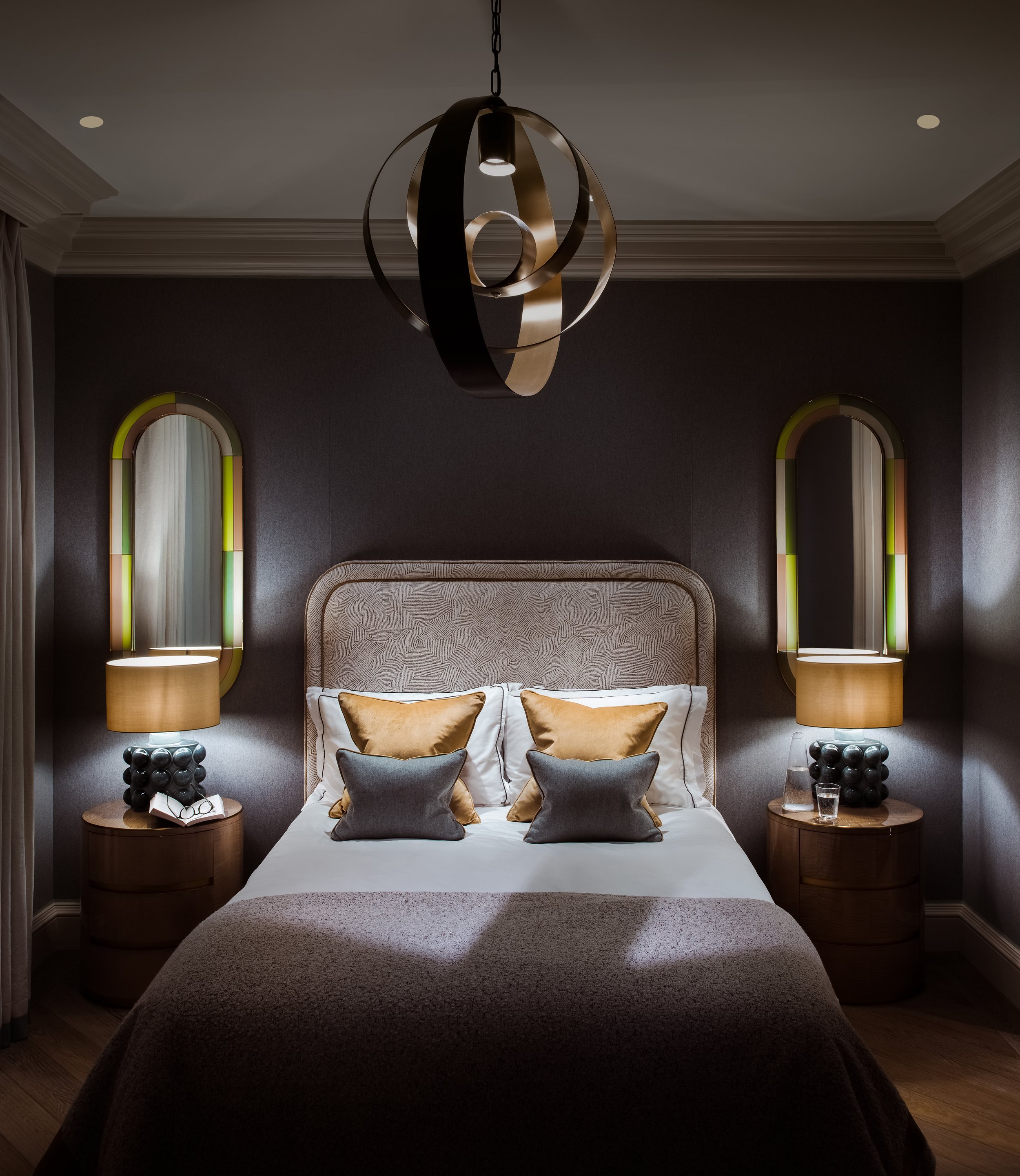
When integrated with a control system, lighting scenes can be refined rather than reinvented, improving usability without altering the home's feel.
Image Credit: Patrick Williamson
Integrating Entertainment Without Visual Clutter
Entertainment upgrades often focus on simplification as much as performance. New audio systems provide more even sound coverage and improved clarity, reducing the need for visible speakers or excessive hardware.
Video upgrades may introduce larger displays or higher resolution, but careful consideration is given to how screens are positioned within the interior. Digital art solutions ensure that displays enhance a space even when not in use, rather than dominating it.
The result is technology that feels deliberate and considered, not imposed.
Managing Natural Light as Carefully as Artificial Light
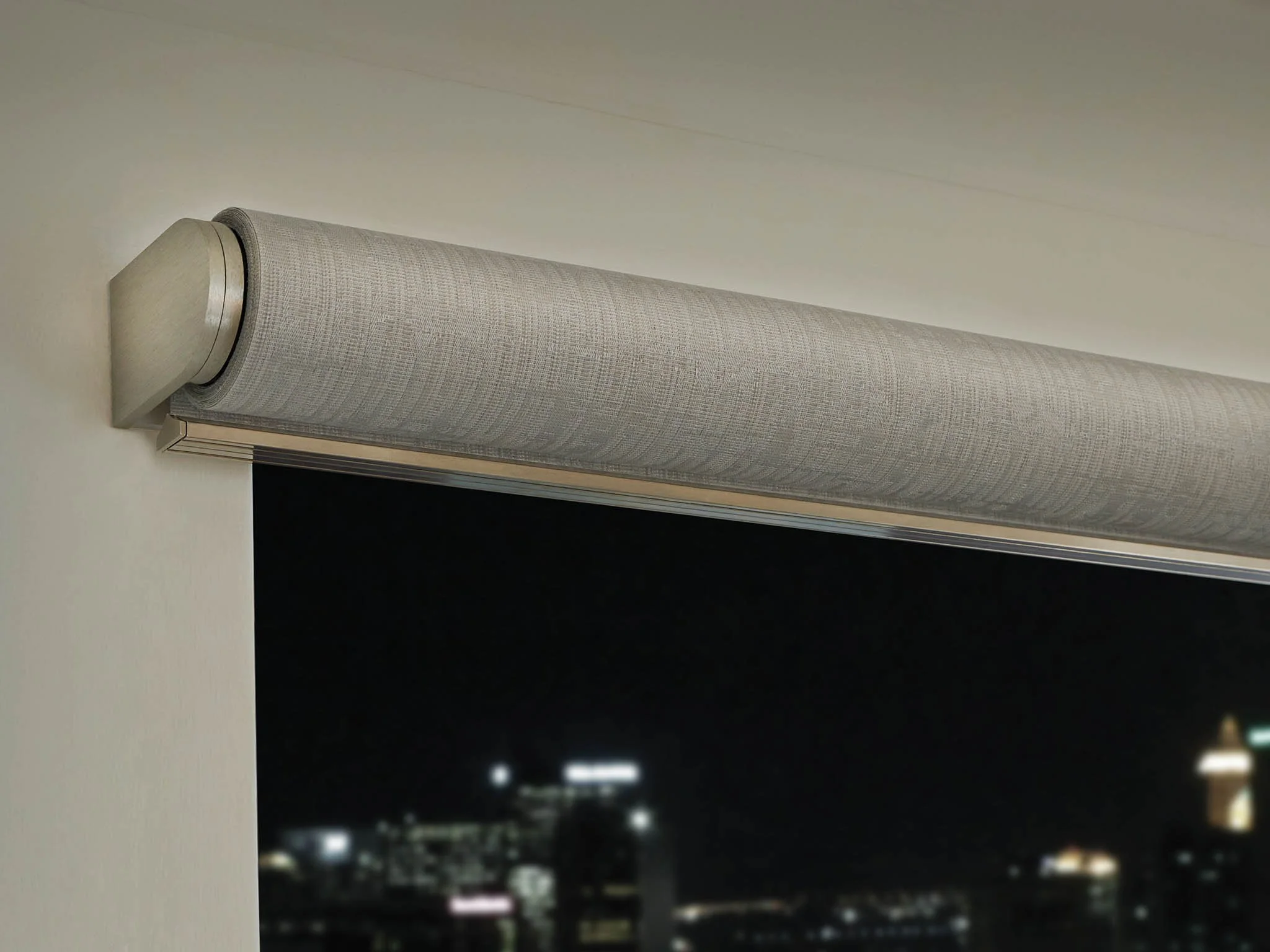
Shading upgrades are increasingly approached as part of a wider lighting strategy. Modern motorised systems automatically manage natural light, responding to time of day or sunlight levels while maintaining near-silent operation and refined aesthetics.
In many cases, shading upgrades can be introduced without altering window structures, using updated tracks, fabrics, and control interfaces that integrate seamlessly with existing systems.
Image Credit: Lutron
The Difference Experience Makes
What distinguishes a successful upgrade is not the specification, but the process. Detailed surveys, careful planning, and an understanding of how systems interact enable upgrades to be delivered with minimal disruption and maximum longevity.
This is where long-term support becomes essential. Residential technology does not stand still, and the most effective upgrades are those designed to evolve, supported by ongoing maintenance, software updates, and informed guidance.
As explored in our previous article, Why the Most Successful Luxury Homes Are Designed to Evolve, intelligent residential upgrades elevate everyday living by making homes more responsive, secure, and comfortable. In practice, this is achieved not through radical change, but through careful refinement.
When done well, upgrades do not announce themselves. They simply make life easier, calmer, and more intuitive, which is perhaps the most meaningful definition of modern luxury.